"We really enjoyed being able to access an authentic sumo stable. The live guide's explanations were very interesting."
Early Morning · Real Stables · Silence Required · Guided Access Only
Sumo Stable Tour
A sumo stable tour is not a show. It is an hour or two sitting on the floor of a working heya at seven in the morning, in silence, while professional wrestlers train a few metres away — and it is the one sumo experience you cannot arrange by turning up at the door. This page explains what a morning practice visit really is, the etiquette that gets visitors asked to leave, when practice is not held at all, and which guided visits are running in Tokyo and Nagoya.
Top rated
From
$93
per person
Free cancellation
- 4.9 / 5 241+ Reviews
- 07:00 Typical Start, Ends 09–10
- Silence No Talking, No Chairs
- Free Cancellation
The Experience
What a Guided Stable Visit Includes
Straight from the operator's own listing — the access itself is the product: a licensed guide, permission from the stable, and a place on the floor.
Highlights
- Learn about the history and rituals of sumo wrestling from a journalist
- Watch a live sumo morning practice and capture photos of the wrestlers
- Get a chance to ask all the questions you want about sumo wrestling
- Immerse yourself in the world of sumo wrestling with a local guide
- Enjoy a rare opportunity to explore a facet of Japan's heritage
What's Included
- Live sumo morning practice viewing
- Commemorative photos
- Guidance by a sumo specialist and national newspaper journalist
- Special permission from the sumo stable for access
How a Sumo Stable Visit Works
A station exit before dawn, a short walk to an ordinary-looking building, shoes off, and ninety minutes of silence — how the morning actually runs.
A Station Exit, Before Seven
Every stable visit starts at a station, early. The Takasago-beya visit meets at 07:45 at Ryogoku Station (Toei Oedo line, exit A-3) and walks ten minutes to the stable for an 08:00 start; the journalist-guided visit meets at Ryogoku too (Toei Oedo exit A2), five minutes on foot from the stable. Be early — the guide cannot get you in once the practice has begun, and several operators state plainly that latecomers are not admitted.
Shoes Off, Phone Silent, Sit Down
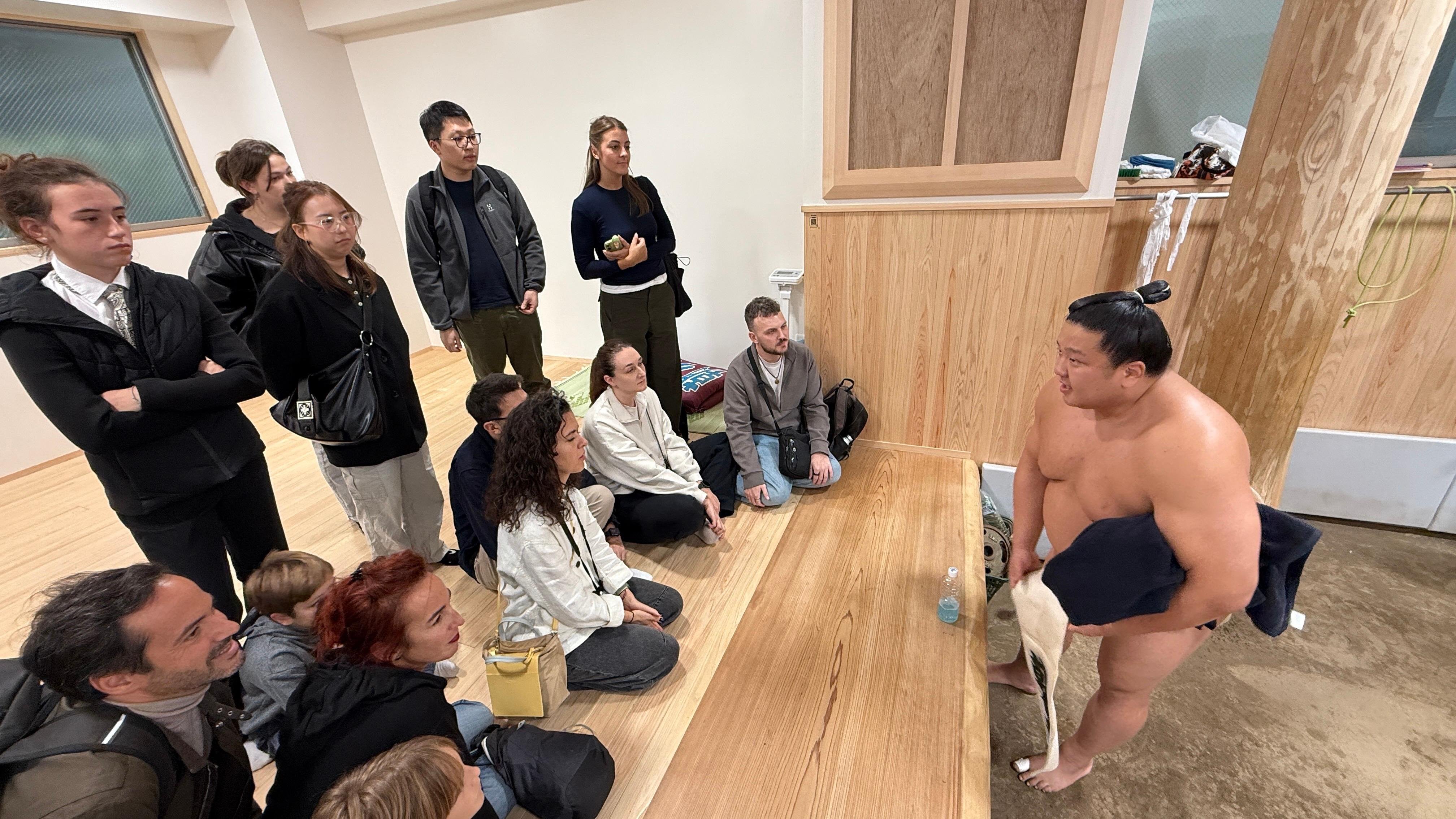
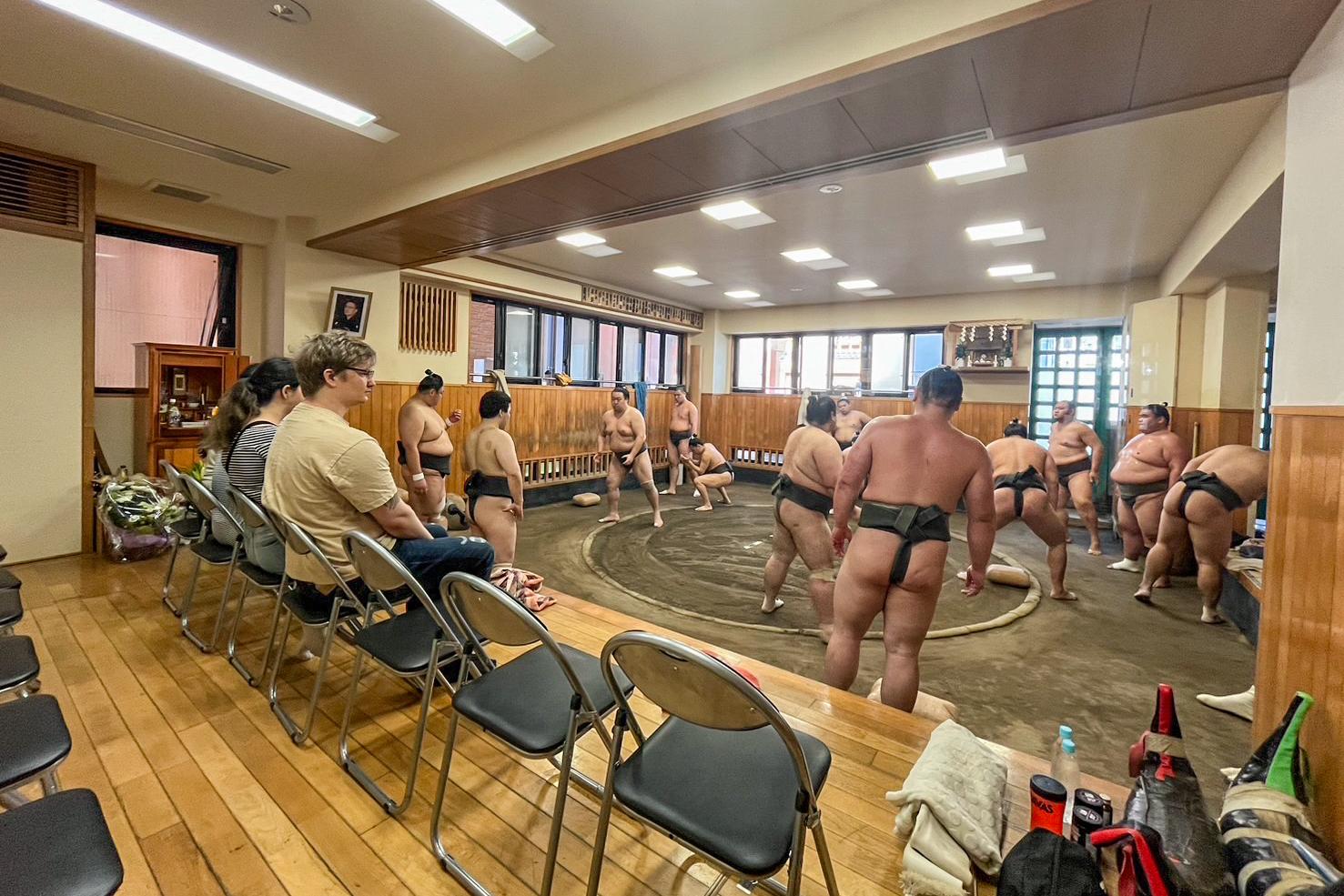
A heya is a place of work and a home: wrestlers live there. You take your shoes off, sit on the floor at the edge of the training room — no chairs in the Tokyo stables — and put your phone on silent. Hats and sunglasses come off. From that moment you are quiet. Operators are explicit that visitors who talk, move around or cannot sit still will be asked to leave, and that includes children (several tours set a minimum age, from five to twelve).
Ninety Minutes of Asageiko
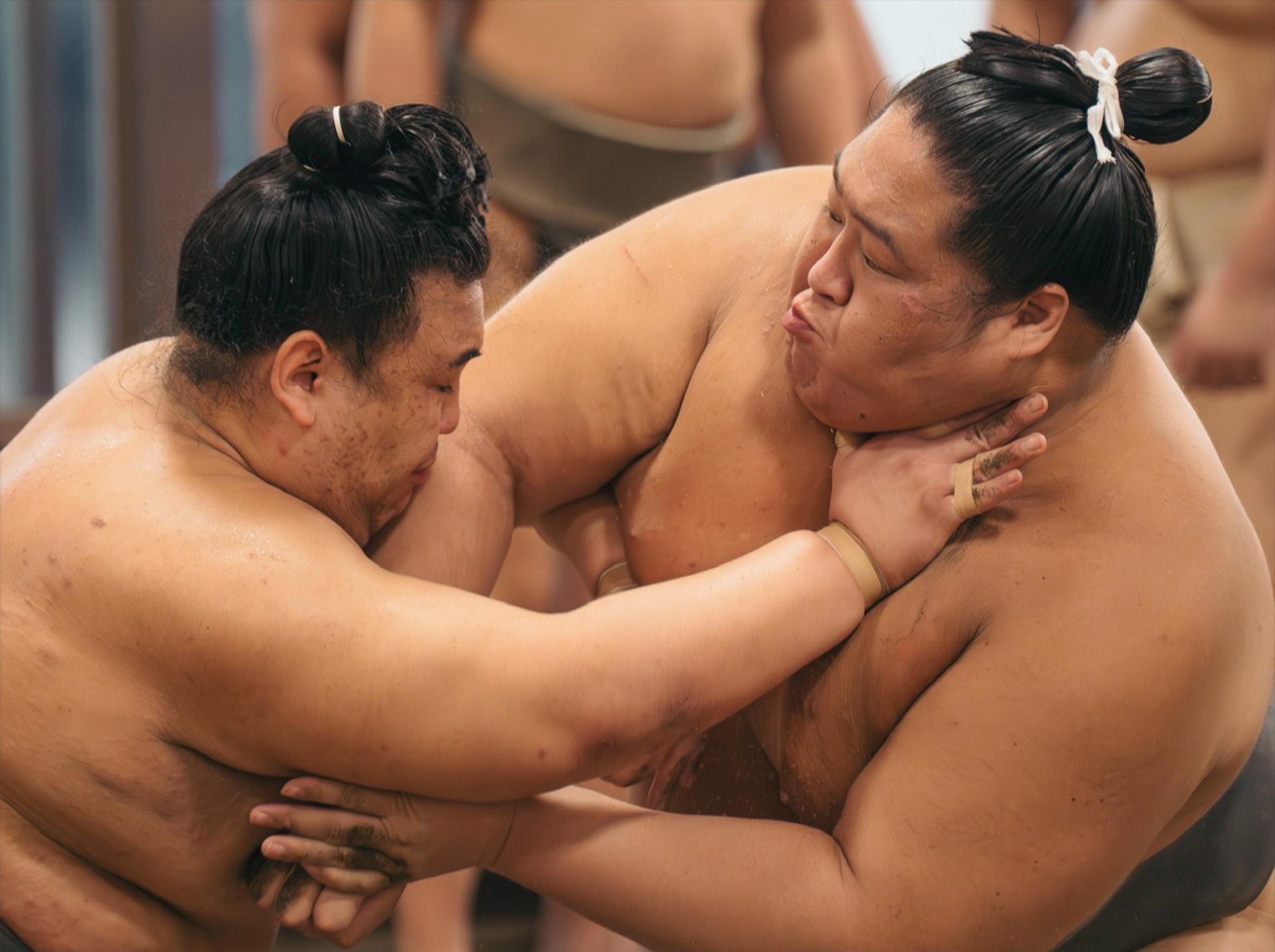
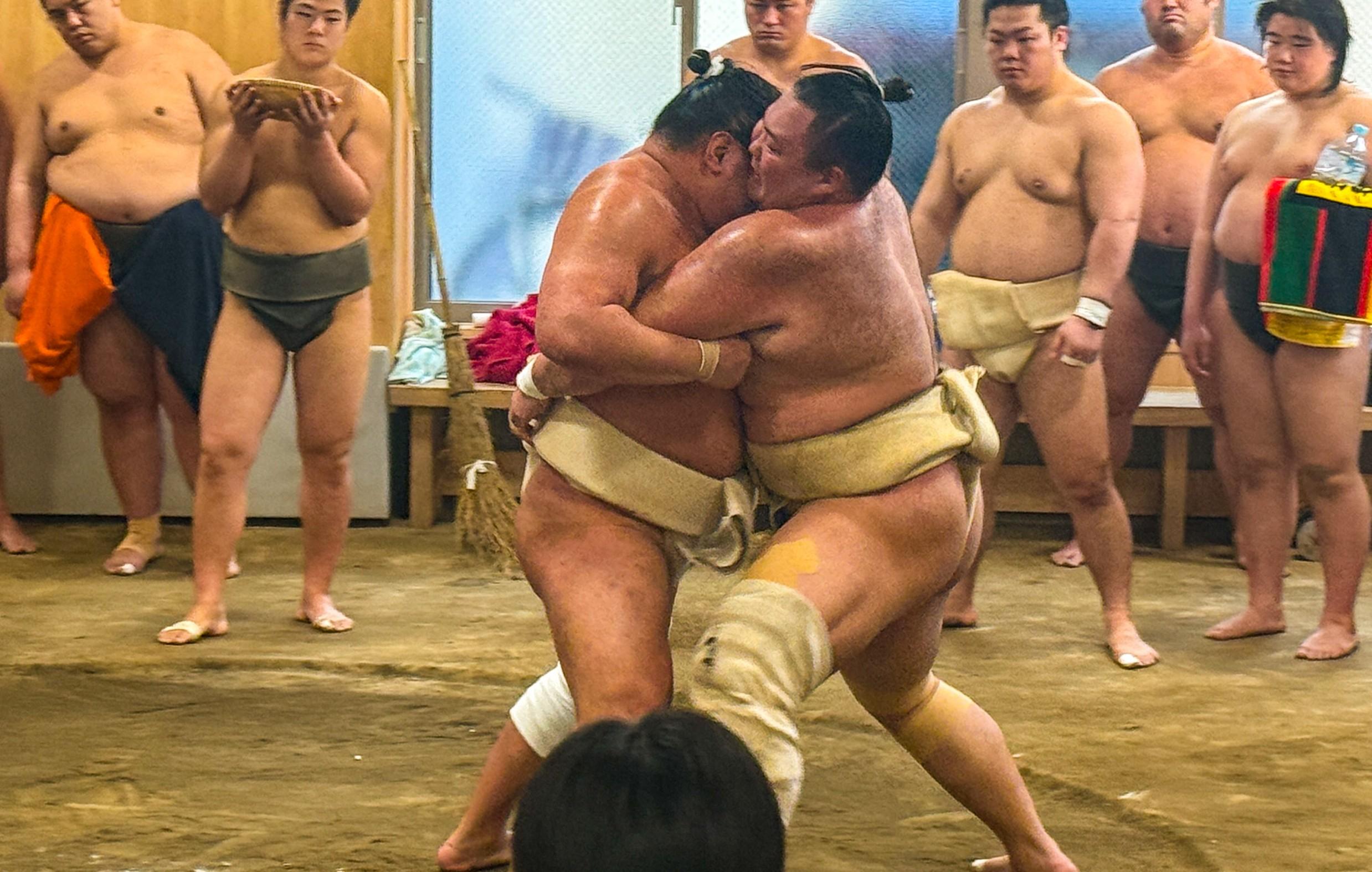
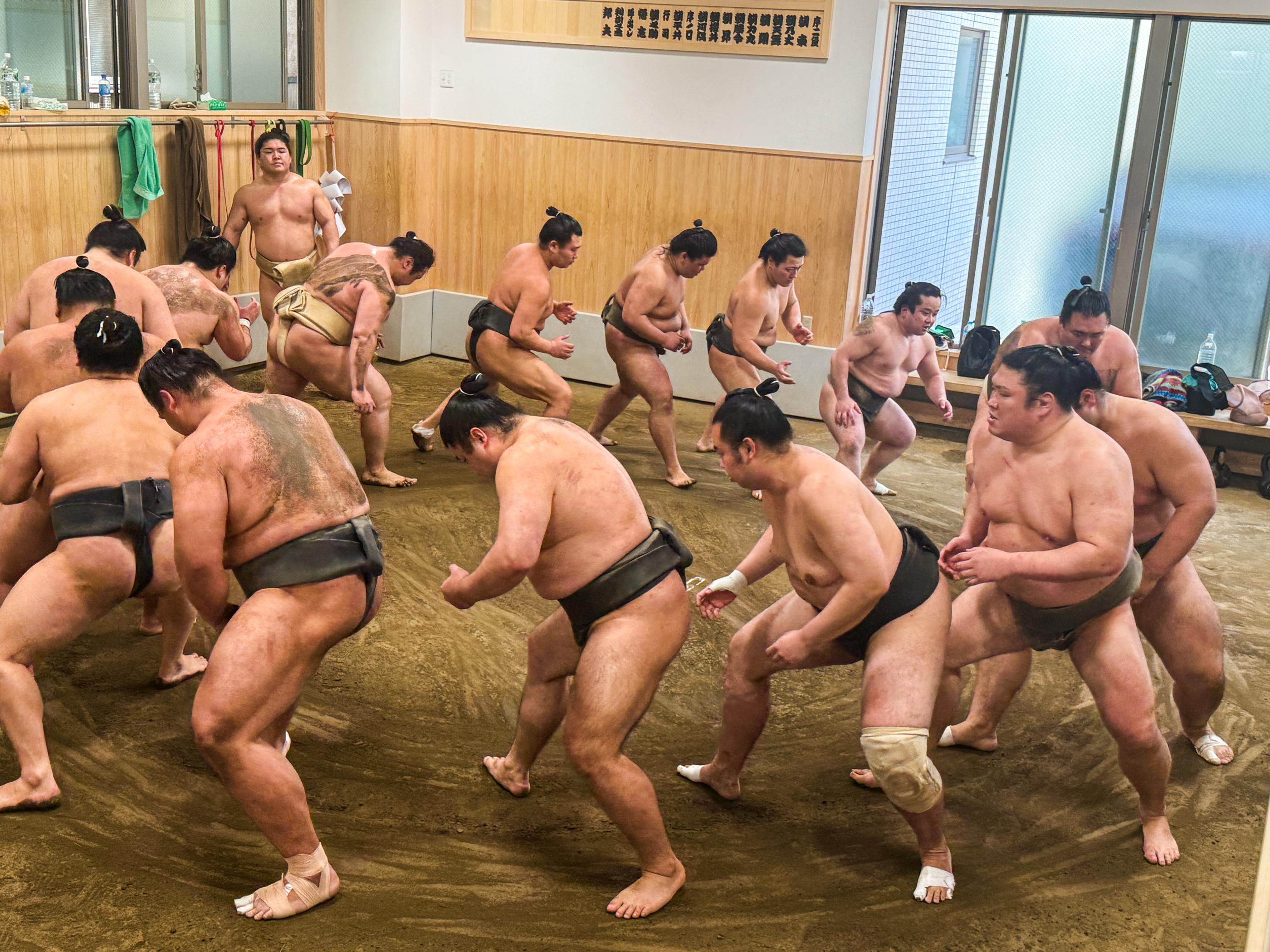
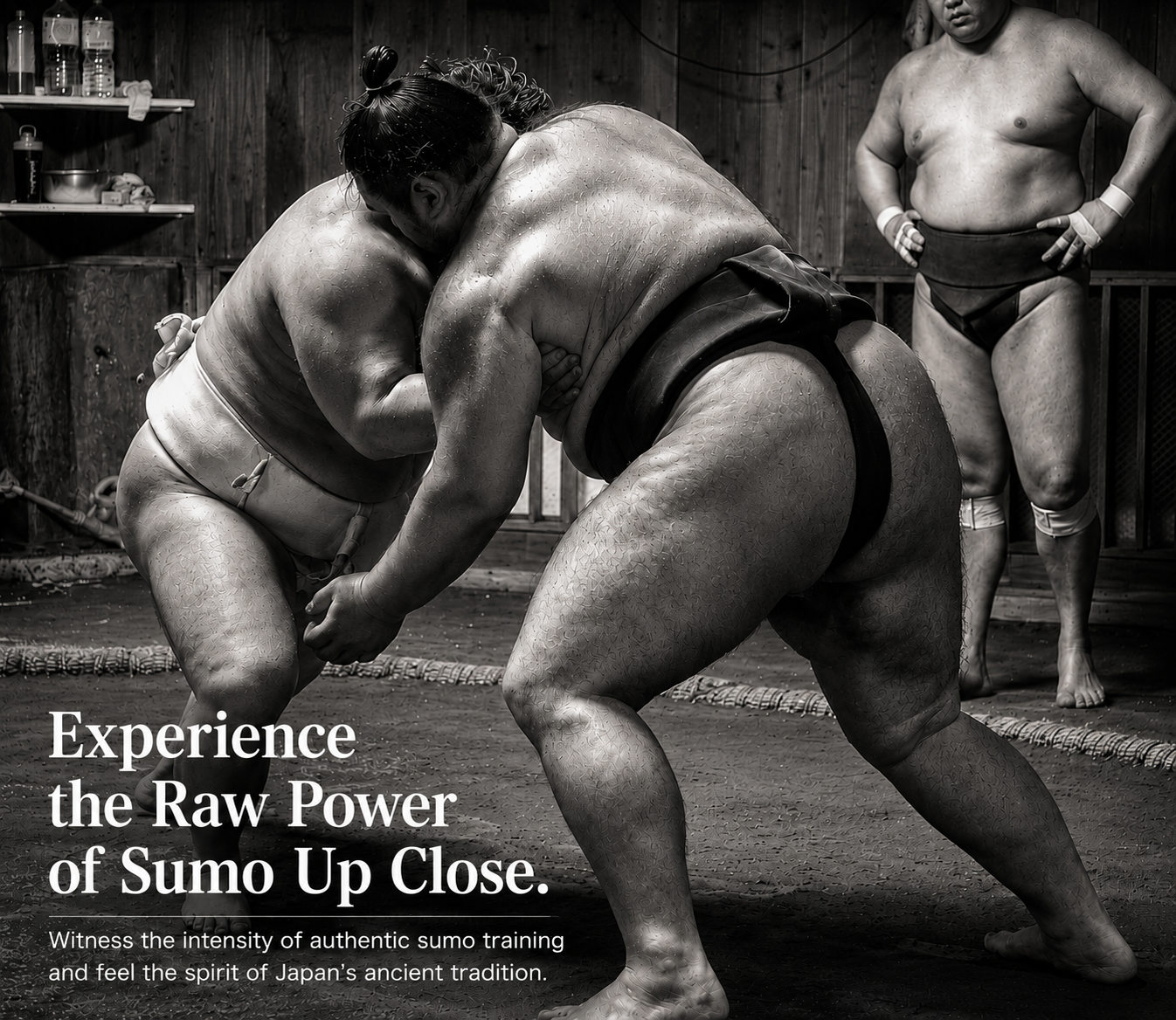
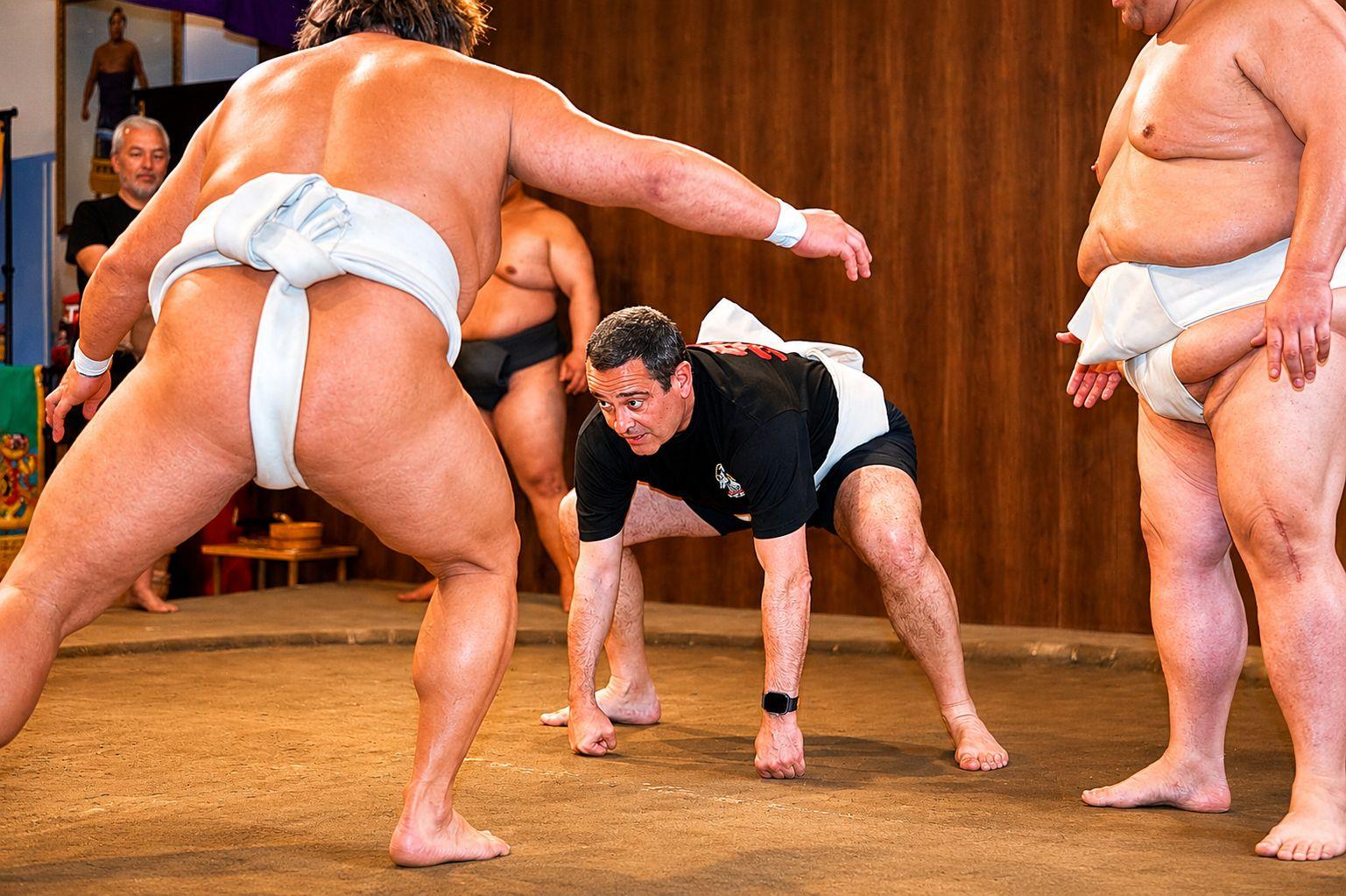
What you watch is the real training day: shiko leg-stamping, suri-ashi sliding footwork, then the grinding repetition of butsukari-geiko where one wrestler drives another across the clay until he can barely stand. Nobody performs for you. A guide explains the ranks, the rituals and who is who — on the journalist-led visit, that guide is a sumo correspondent for a national newspaper.
Photographs, Then Out — and You Stay to the End
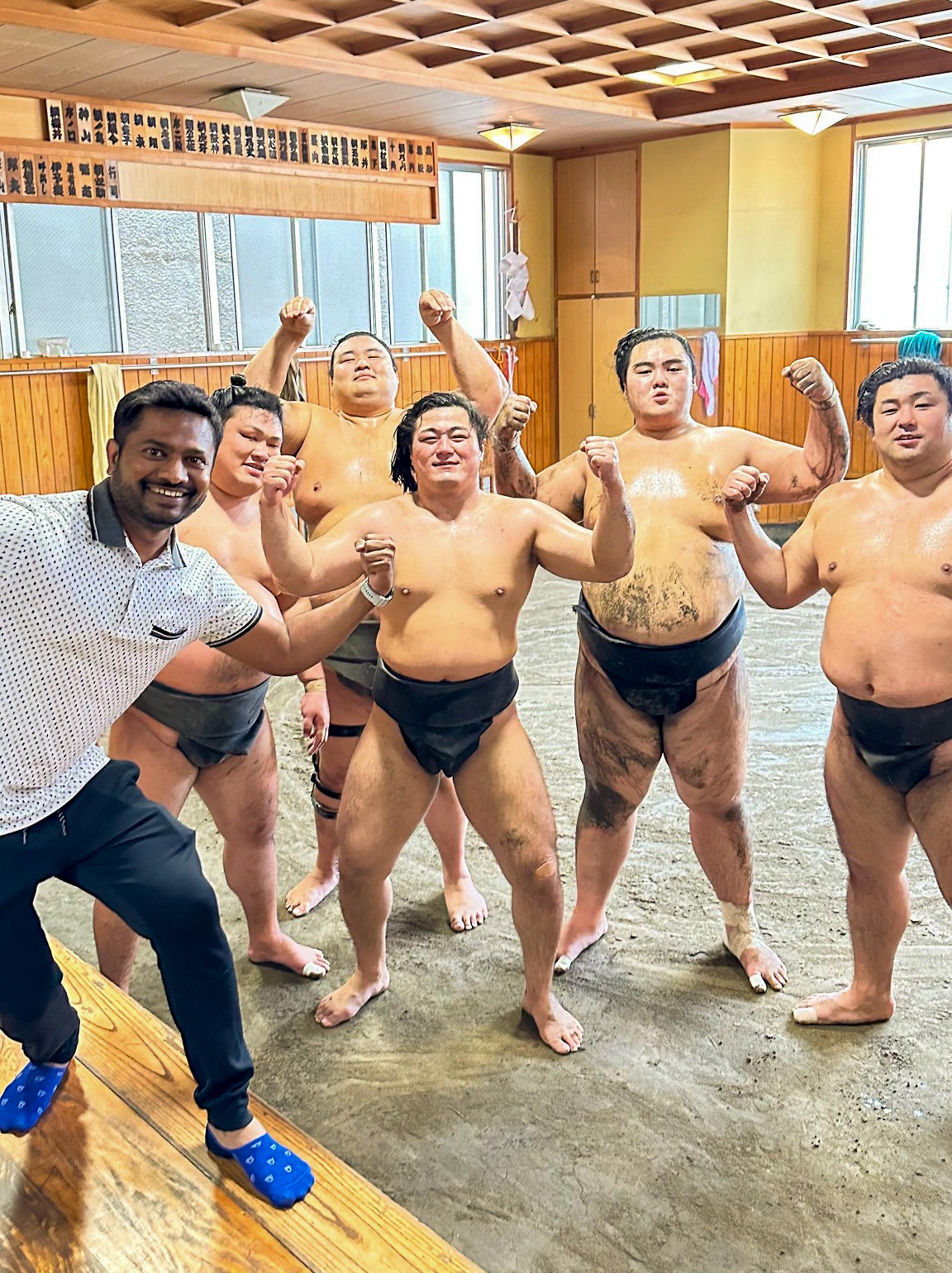
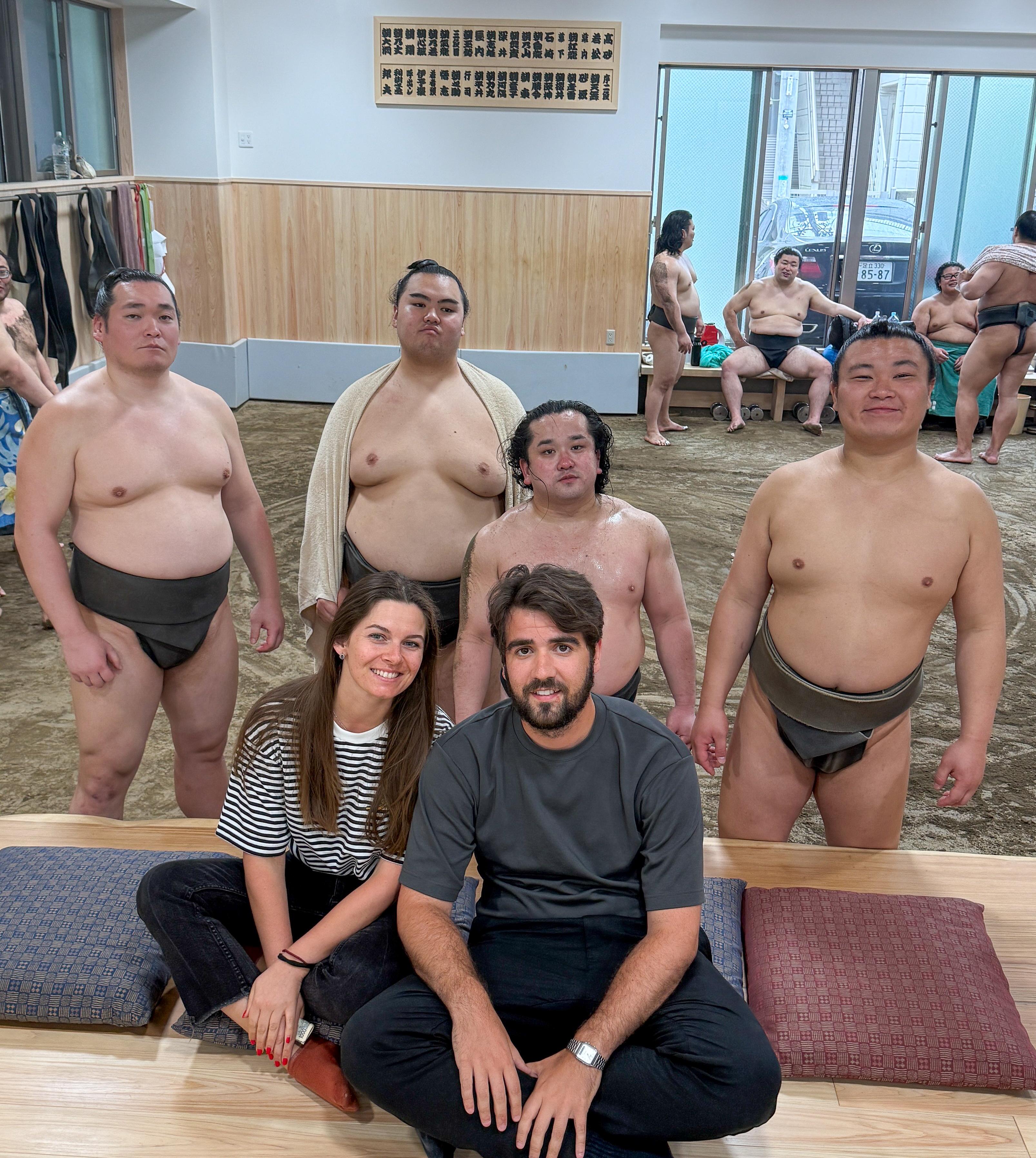
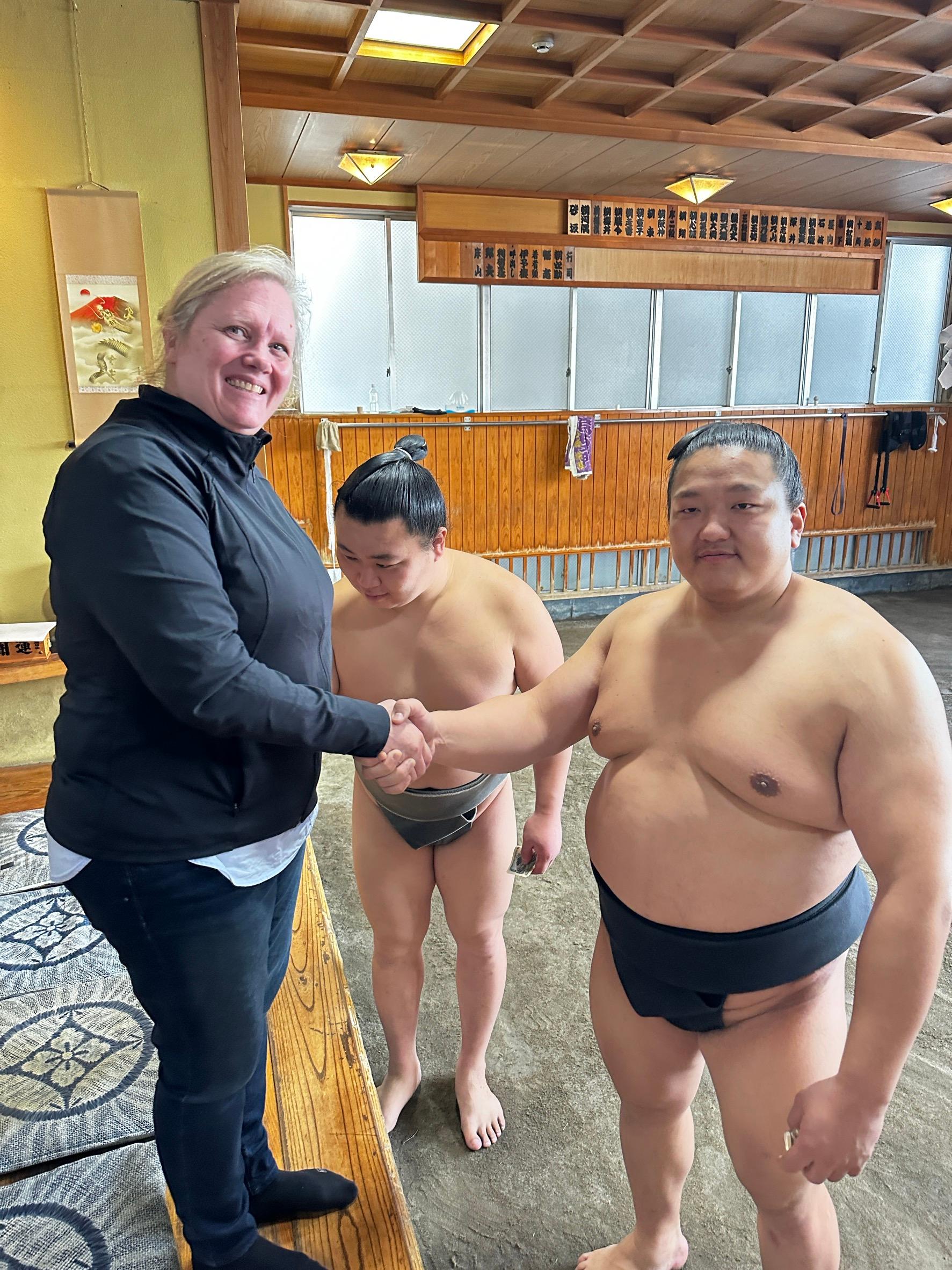
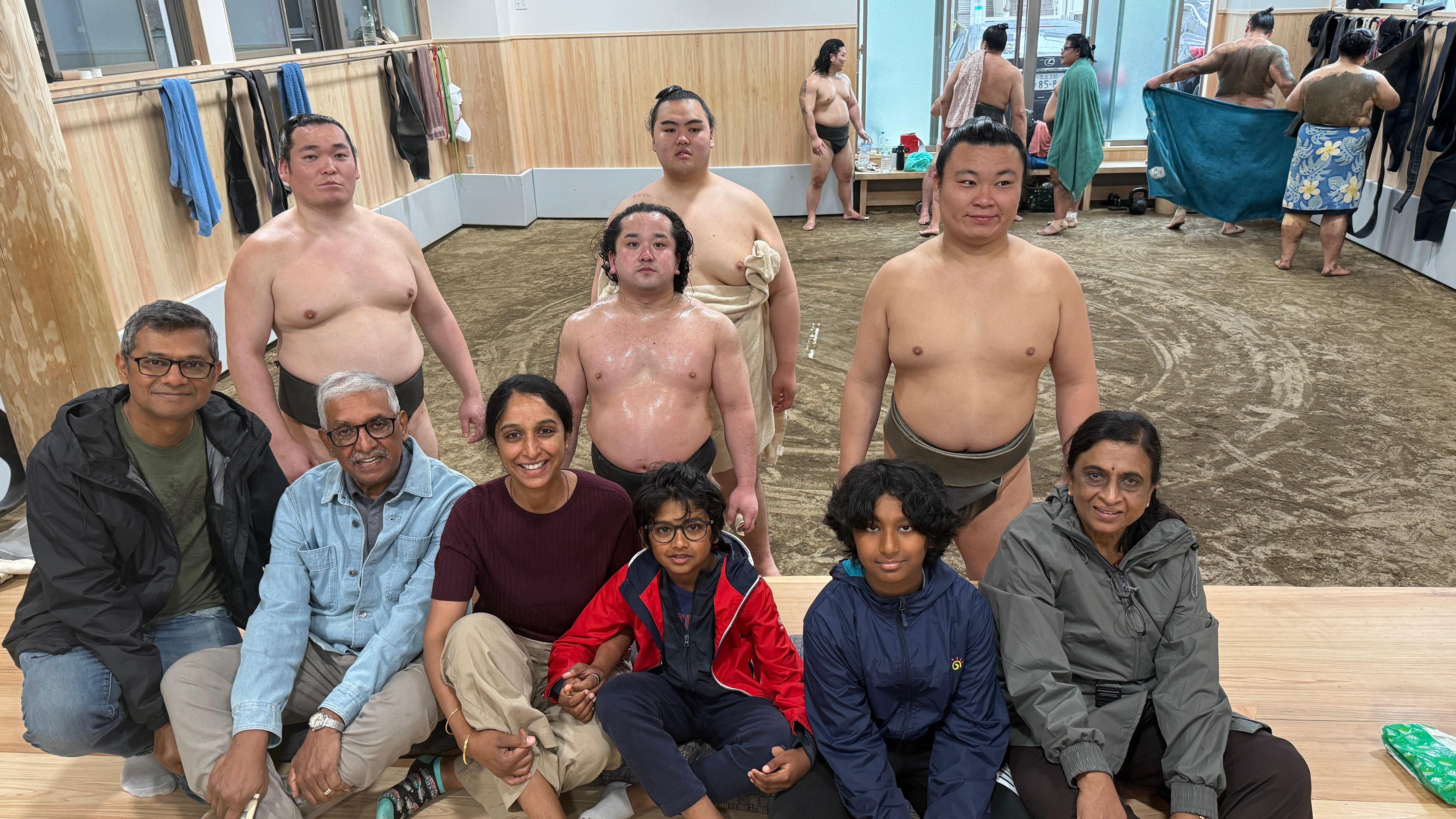
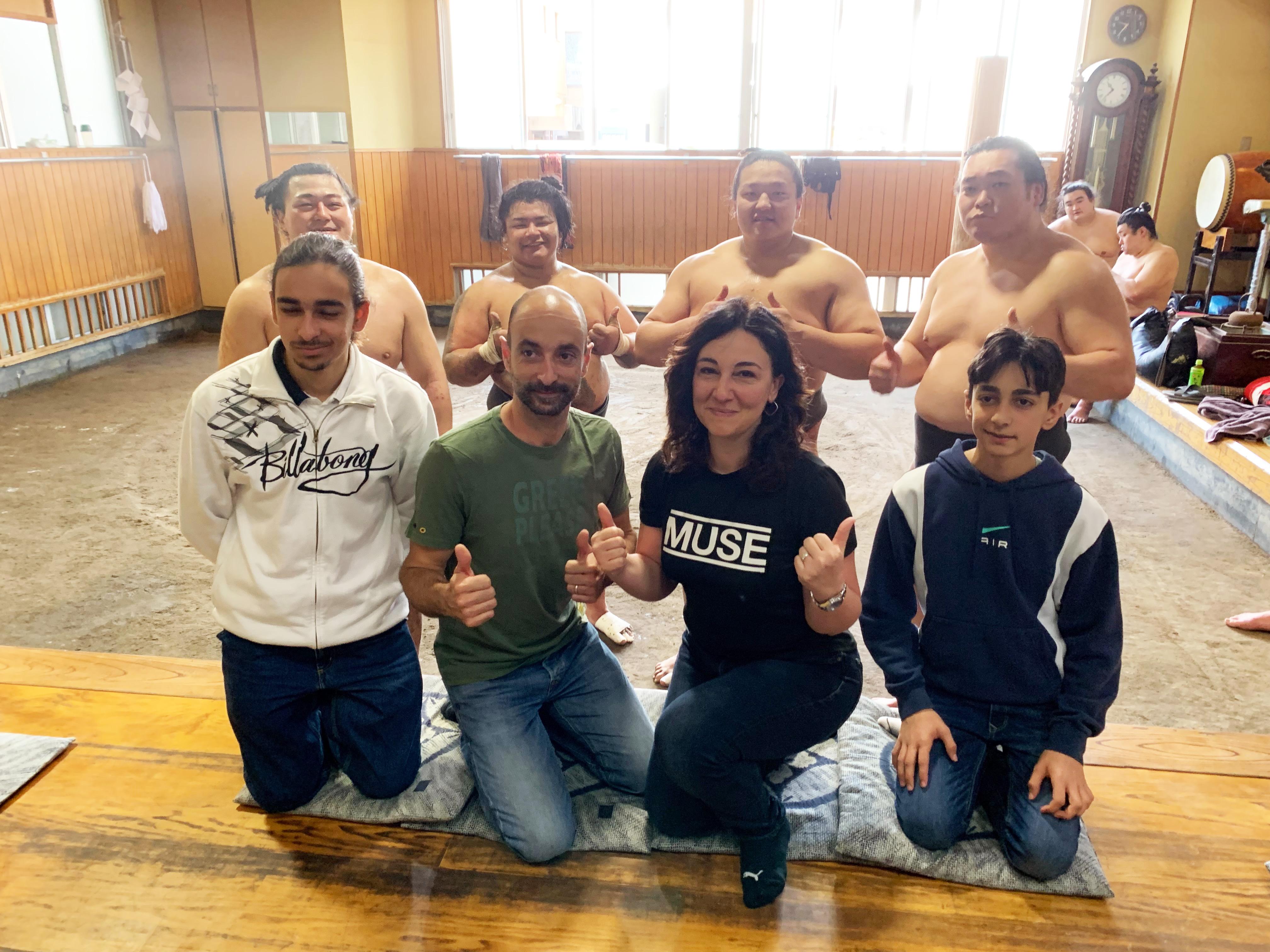
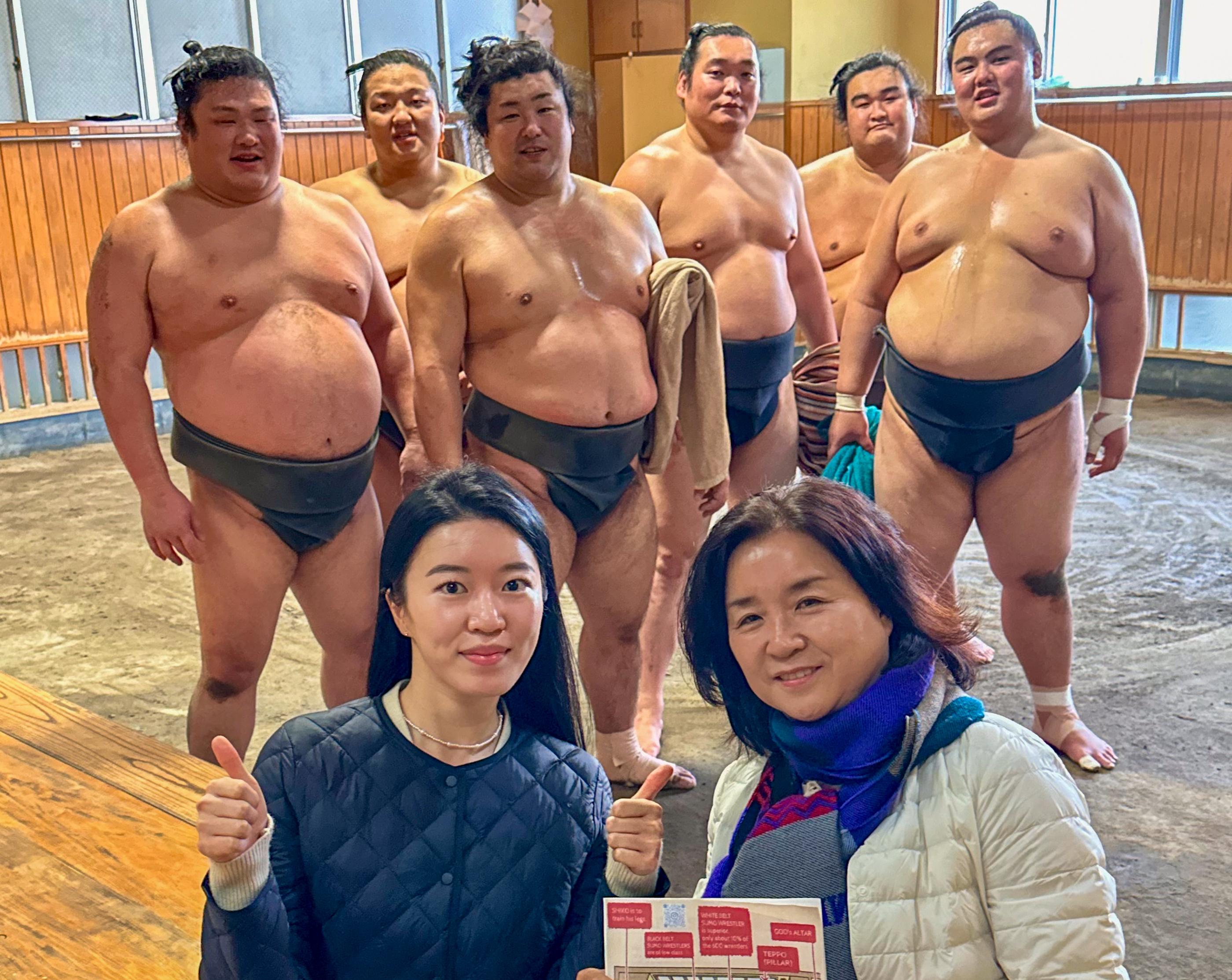
Most stables allow photographs when they do not interrupt the training, and many finish by letting visitors pose with the wrestlers, though every operator words this as a possibility rather than a promise, because it depends on the day and the stable master. Practice winds up around 09:00 to 10:00, and you stay until then: once you leave there is no re-entry, and walking out mid-practice is treated as an insult.
Photo Gallery
Inside the Heya — Through the Lens
The training ring at first light, wrestlers in the clay dohyo, the shiko stamp, the butsukari-geiko collisions, and the stable exterior on a Ryogoku back street.






Book Your Experience
Check Availability & Prices
Select your preferred date and time. Instant confirmation — free cancellation up to 24 hours before departure.
Three Ways to Get Close to Sumo
The morning practice visit, the show-and-dinner evening, and the hands-on session. They are sold side by side and constantly confused — here is what each one actually is.
| Feature | HIGHEST RATED · 4.9 Morning Practice at a Real Stable | Sumo Show with Chanko Dinner | Hands-On Training Session |
|---|---|---|---|
| What It Is | A real training session (asageiko) in a working stable, watched in silence from the floor | An evening performance by retired wrestlers with an all-you-can-eat chanko hot-pot | A 60-minute workshop where you wear training gear and drill shiko and suri-ashi yourself |
| What You Pay | From about $90 per person | From about $63 per person, meal included on the 11:00 and 19:00 shows | From about $47 per person |
| How Deep the Reviews Go | 4.9 from 241 verified visitors on the journalist-guided visit; 4.7 from 415 on the most-reviewed one | 4.8 from 3,480 verified visitors — the most-reviewed sumo product of any kind | 5.0 from 38 verified visitors |
| When It Runs | Early morning, roughly 07:30–10:00, most weekdays outside tournament periods | Multiple shows daily including 08:30, 11:00, 15:00 and 19:00 | Daytime sessions in central Ginza |
| Can You Talk? | No. Silence throughout, phone on silent, no flash | Yes — it is a show with an English-speaking MC | Yes — you are being coached |
| Seating | On the floor, cross-legged, no chairs (Tokyo stables); Nagoya provides chairs | Seated at tables | On your feet |
| Suitable For Children | Only quiet ones — several tours set a minimum age (five to twelve), and noisy children are asked to leave | Yes, family-friendly | Not under 5 |
| The Catch | Very early, physically uncomfortable, and nothing is guaranteed — including the photo | Staged for the audience by retired wrestlers; it is not asageiko | A workshop, not a stable — you will not see professional training |
| Best For | Anyone who wants the real training room and will accept the discipline that comes with it | Families, evenings, and anyone who wants sumo plus dinner | People who would rather do it than watch it |
| Check Availability | See the Show & Dining | See the Training Session |
More Options
Every Way to See Sumo Up Close
Morning practice visits in Tokyo and Nagoya, the show-and-chanko evenings that are a different thing entirely, and the hands-on sessions where you step onto the clay yourself — with the platform's real prices, ratings and review counts.
 TAKASAGO-BEYA
Tokyo: Visit Sumo Morning Practice with English Guide - 2026 (Verified Reviews)
Embark on a Tokyo tour that grants you exclusive access to witness sumo wrestlers engaged in rigorous practice, offering a rare chance to capture the moment with …
 RING-SIDE SEAT
Tokyo: Sumo Practice Tour with Ring-Side Seat and Photoshoot - 2026 (Verified Reviews)
Gain special access to the 1500-year-old authentic tradition of Japanese Sumo! Sumo is the national sport of Japan, deeply rooted in ancient Shinto rituals. For …
 NEAR SKYTREE
Find Your Favorite Wrestler at Morning Sumo Practice - 2026 (Verified Reviews)
Feel the tense atmosphere in the sumo stable as soon as you step in there, led by your guide. This is what starkly sets apart watching morning sumo practice from …
 EXPERT Q&A
Tokyo: Not a show- a professional sumo practice with experts - 2026 (Verified Reviews)
Embark on a journey with a knowledgeable English-speaking guide, commencing with insights into sumo’s rich history and rituals. Witness a live sumo morning practice, …
 SHOW + CHANKO DINNER
Tokyo: Sumo Show & Dining Experience at Historic Sumo House - 2026 (Verified Reviews)
Step inside the world of sumo at Tokyo Sumo Room; "Sumobeya" —“beya” meaning sumo stable or house—an unforgettable live show experience operated by former Makuuchi …
 HANDS-ON TRAINING
Tokyo Ginza: Sumo Training with Former Top-Division Rikishi - 2026 (Verified Reviews)
Train Like a Sumo Wrestler in Ginza, Tokyo Step into the real world of sumo with a hands-on training experience led by a former professional rikishi. This is not a …
The Independent Guide
The One Sumo Experience You Cannot Just Turn Up To
What happens inside a heya at seven in the morning, why access runs through guides and permissions rather than tickets, the rules that get people asked to leave, and how a stable visit differs from the sumo shows sold on the same platforms.
A sumo stable tour — also sold as a stable visit, a morning practice tour or by its Japanese name, asageiko — is a visit to a working sumo stable, a heya, during the training session that happens most mornings of the year. It is not a performance. There is no stage, no commentary system, no interval. You sit on the floor of a room where forty-stone professional athletes are working, and you keep quiet for ninety minutes. It is, by a distance, the most-praised sumo experience in Japan and the hardest one to arrange on your own.
What actually happens
Training starts early and runs to about 09:00–10:00. Junior wrestlers are on the clay first; the senior men appear later. You will see shiko — the enormous slow leg-stamp that is the sport’s signature — then suri-ashi, the sliding footwork drilled up and down the room, and finally butsukari-geiko, in which one wrestler throws himself repeatedly against another who drives him back across the ring until his legs give out. It is repetitive, physically brutal and completely unstaged; the stable master watches from the side and says very little.
Then it ends, the wrestlers bow, and in most stables the visitors are allowed to photograph them or pose for a picture — an arrangement every operator describes as possible, not guaranteed, because it depends on the day.
Why you cannot simply walk in
A heya is private property and a residence. Stables that once accepted casual visitors have almost all stopped, and the ones that still admit outsiders do it through people they know: licensed guides who have a standing relationship with the stable master, which is why the listings say things like “special permission from the sumo stable for access.” That permission is the product you are buying — the guide, the translation and the etiquette briefing come with it. The honest version of this, including the one Tokyo stable that lets you watch from the street through a window, is set out in can you visit a sumo stable without a guide?
The rules, because they are enforced
Silence throughout. No eating or drinking. Phone on silent, no flash. Hats and sunglasses off. Shoes off. You sit on the floor — there are no chairs in the Tokyo stables, and you will be cross-legged for around ninety minutes — and you never point the soles of your feet at the ring or the wrestlers. You stay until the end; once you leave, there is no re-entry. Operators state that visitors who cannot keep to this, including noisy children, will be asked to leave. The full list is in the etiquette guide, and it is worth reading before you book rather than after.
What it costs, and what you are paying for
Guided morning practice visits run from about $90 per person on the booking platform — the field sits in a tight band between roughly $80 and $115, with the hands-on and show formats priced differently. Booking direct in Japan, guided visits are generally quoted at ¥5,000–15,000 per person. You are not paying for a seat; you are paying for access, a guide who can explain what you are watching, and someone who has already asked the stable’s permission. The arithmetic, including why the cheapest option is not a stable visit at all, is in the price guide.
The visits that are actually running
- The journalist-led visit — Takasago-beya in Ryogoku, guided by a sumo specialist who covers the sport for a national newspaper, on special permission from the stable; commemorative photos included. 4.9 from 241 verified visitors, from about $93 (August 2026).
- Takasago-beya with an English guide — the most-reviewed visit still running; one of the most prestigious stables in the sport; meets 07:45 at Ryogoku, practice from 08:00. 4.7 from 415.
- Ring-side seat and photoshoot — a reserved seat at the edge of the ring and a group photo with the wrestlers; meets at Kiyosumi-Shirakawa; age 12 and over. 4.8 from 132.
- Near Tokyo Skytree — meets at Tokyo Skytree Station; a stable with two top-division wrestlers; cushion on the floor, no chairs. 4.7 from 136.
- Nagoya, inside a temple — with chairs — the one visit that does not ask you to sit on the floor.
A stable visit is not a sumo show
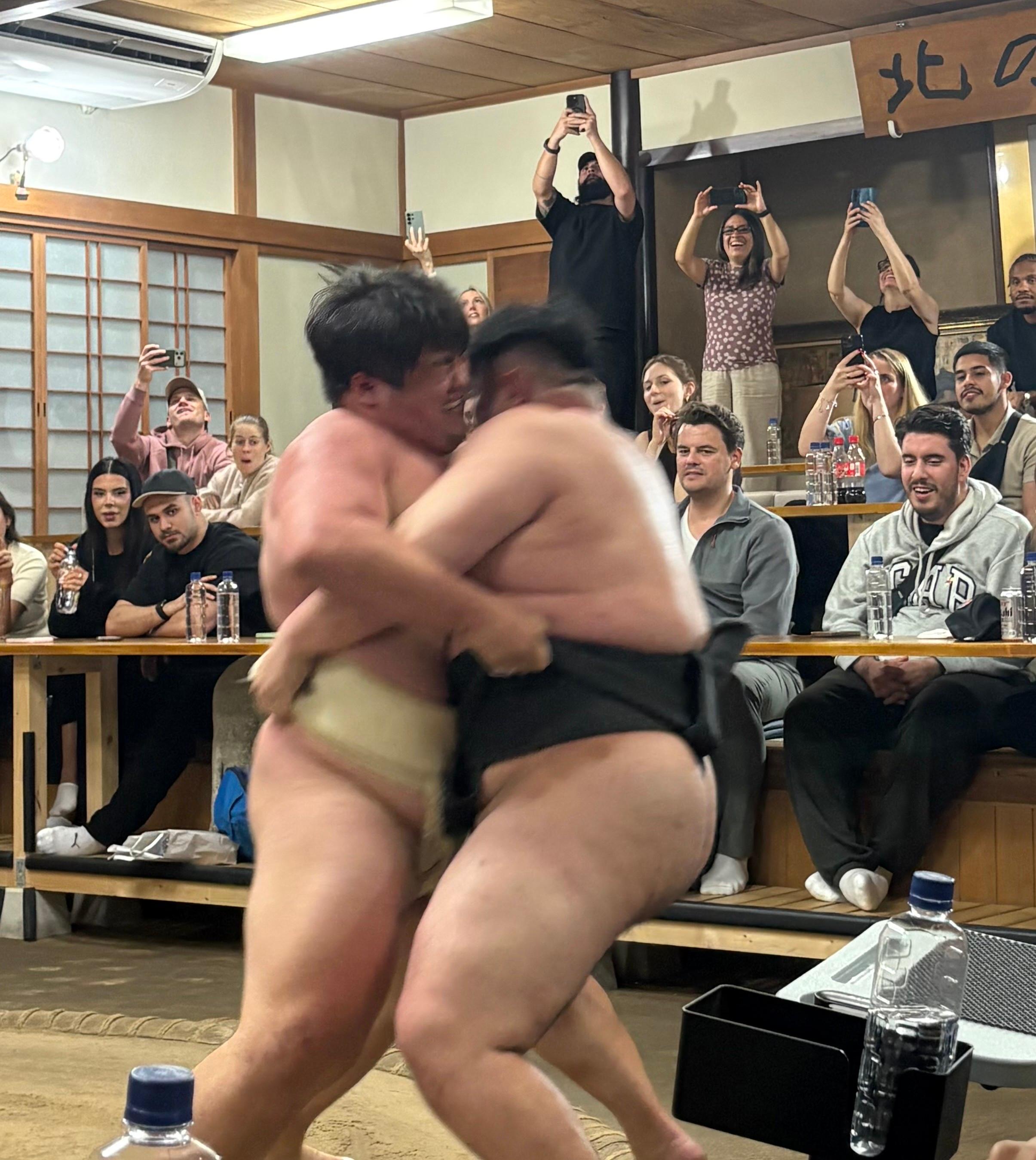
The same platforms sell sumo shows with chanko dinner and hands-on sessions where you put on a mawashi and push against a retired wrestler. Both are enjoyable and both are cheaper; neither is asageiko. If what you want is the real training room, the distinction matters, and it is laid out honestly in stable tour vs sumo show.
When you cannot go at all
Practice visits do not run during a honbasho — the six annual grand tournaments — or in the days around them, when the wrestlers are competing rather than training. In 2026 that means January (Tokyo), March (Osaka), May (Tokyo), 12–26 July (Nagoya), 13–27 September (Tokyo) and November (Fukuoka). Stables also stand down on some weekends and holidays, and schedules change at short notice, which is why every visit is booked date by date. Where visits run city by city — and what to do in the cities where stables are not open to visitors at all — is covered in the city guides.
Guest Reviews
What Visitors Say
4.9/5
from 241 verified visitors
"A very enthusiastic journalist who was able to tell us a lot. The great thing about this tour is that it's not a show, but a real training session. Very impressive."
"The guide was fabulous! What shocked us was that even though we only booked this one excursion/tour with this particular company they had a vested interest in the rest of our trip and helping us where they could. In fact, a few days later there was a 5.7 earthquake near Mt. Fuji where we happened to be staying and they checked in with us to see if all was good and if we needed anything - wow! The sumo practice on the day we went was a bit long because it was an extended practice day. The information session/explanation after the practice was super! In addition, during the walk between the practice and the museum he gave us insightful additional information about Tokyo and we walked through a beautiful park"
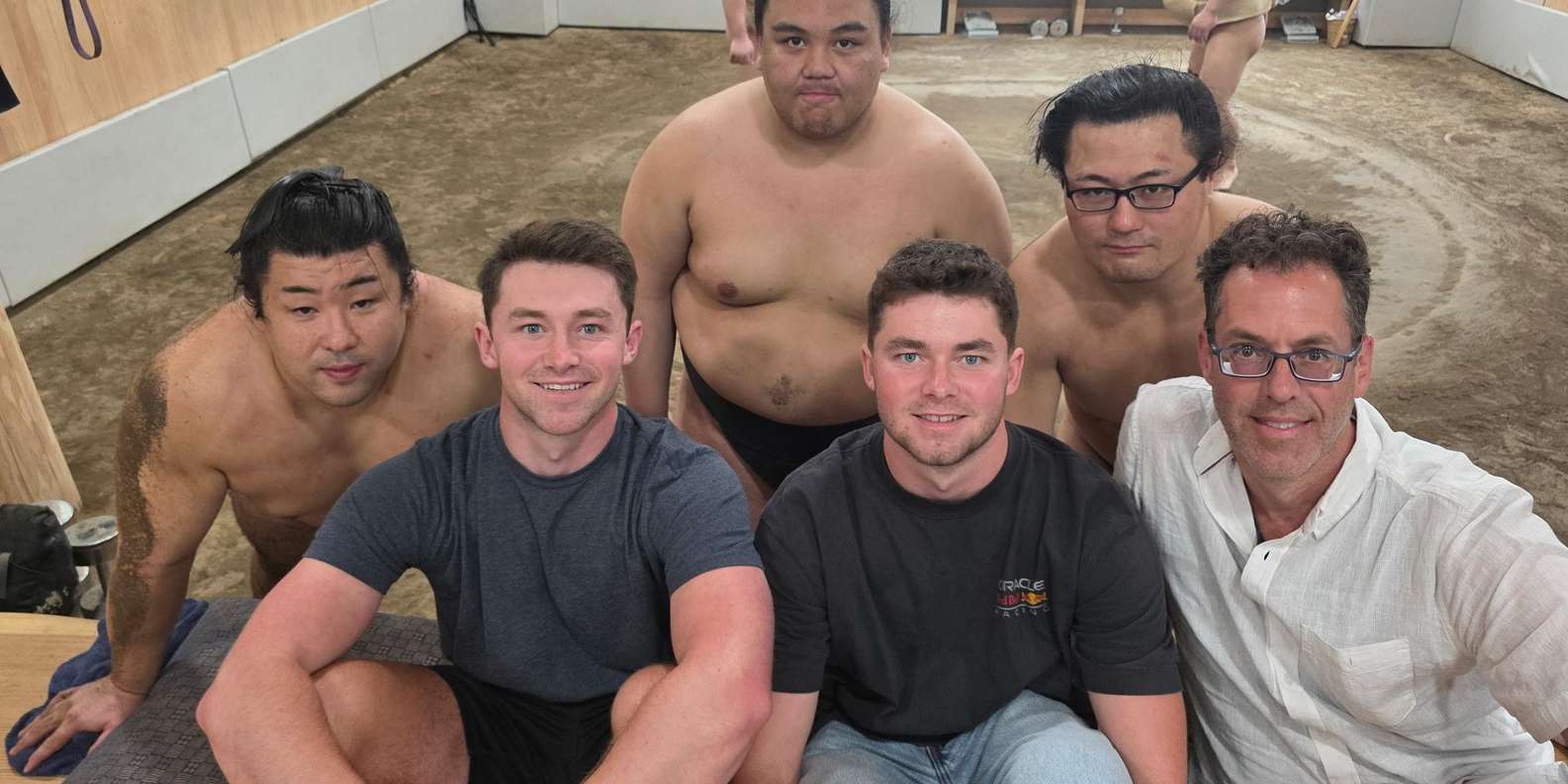
"I deliberately picked this tour for a more authentic look at sumo wrestling and I was not disappointed. We watched an actual morning practice at a sumo stable for about 90 minutes, after which we walked to the nearby sumo stadium and learned more about the sport and fascinating nuggets of information about its history. The highlight was bumping into one of the wrestlers from the stable on his way to run errands, and getting to chat with him about his career in sumo. Well worth the money. Thank you Shinya and Karen!"
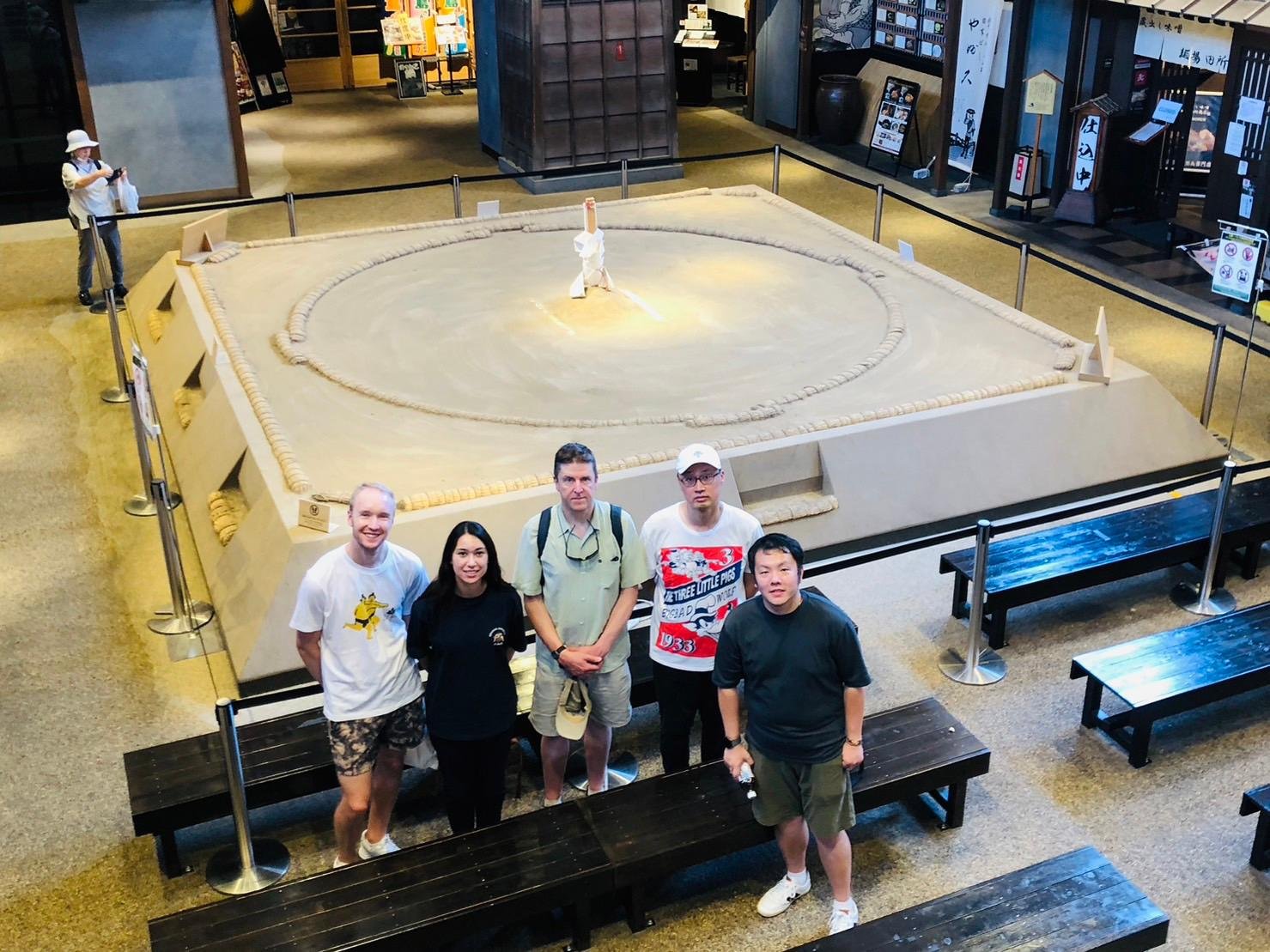
"Visit to the Takasago Stable with athletes such as Asakoryu, Asanoyama, Asahakuryu, and Asasuiryu. A really intense two and a half hour training session with Suri Ashin, Shiko, Teppo, and various bouts. The tour continued in Yokoamicho Park, Yasuda Park, and ended at the Ryogoku Kokugikan Sumo Arena, with a visit to the arena store and the sumo museum. Finally, a visit to Ryogoku Station, where there is a reconstruction of the Dohyo. An intense morning with a real and valuable experience, not a show for tourists. A special mention goes to the highly knowledgeable guide (a sports journalist with decades of experience)."
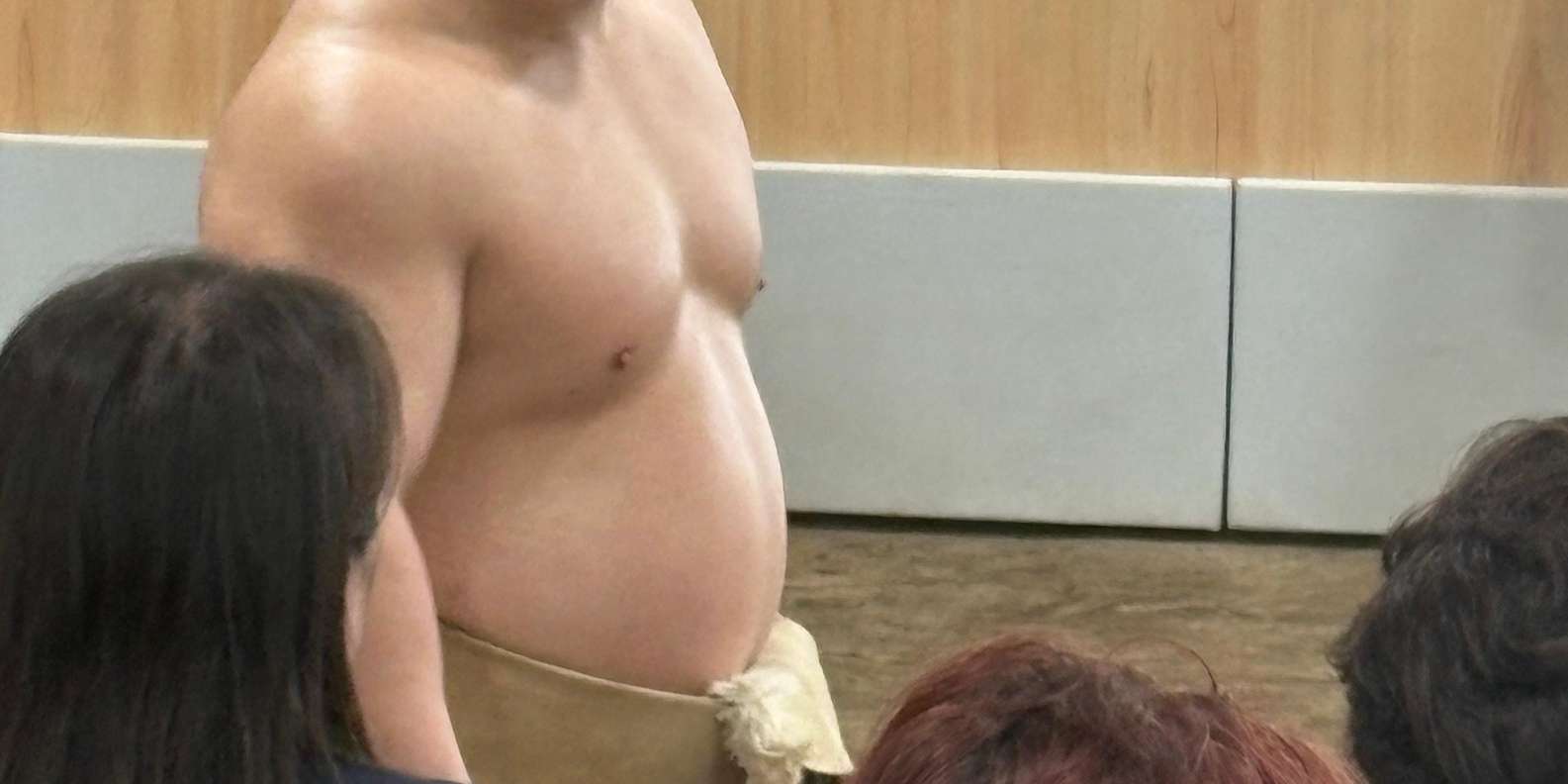
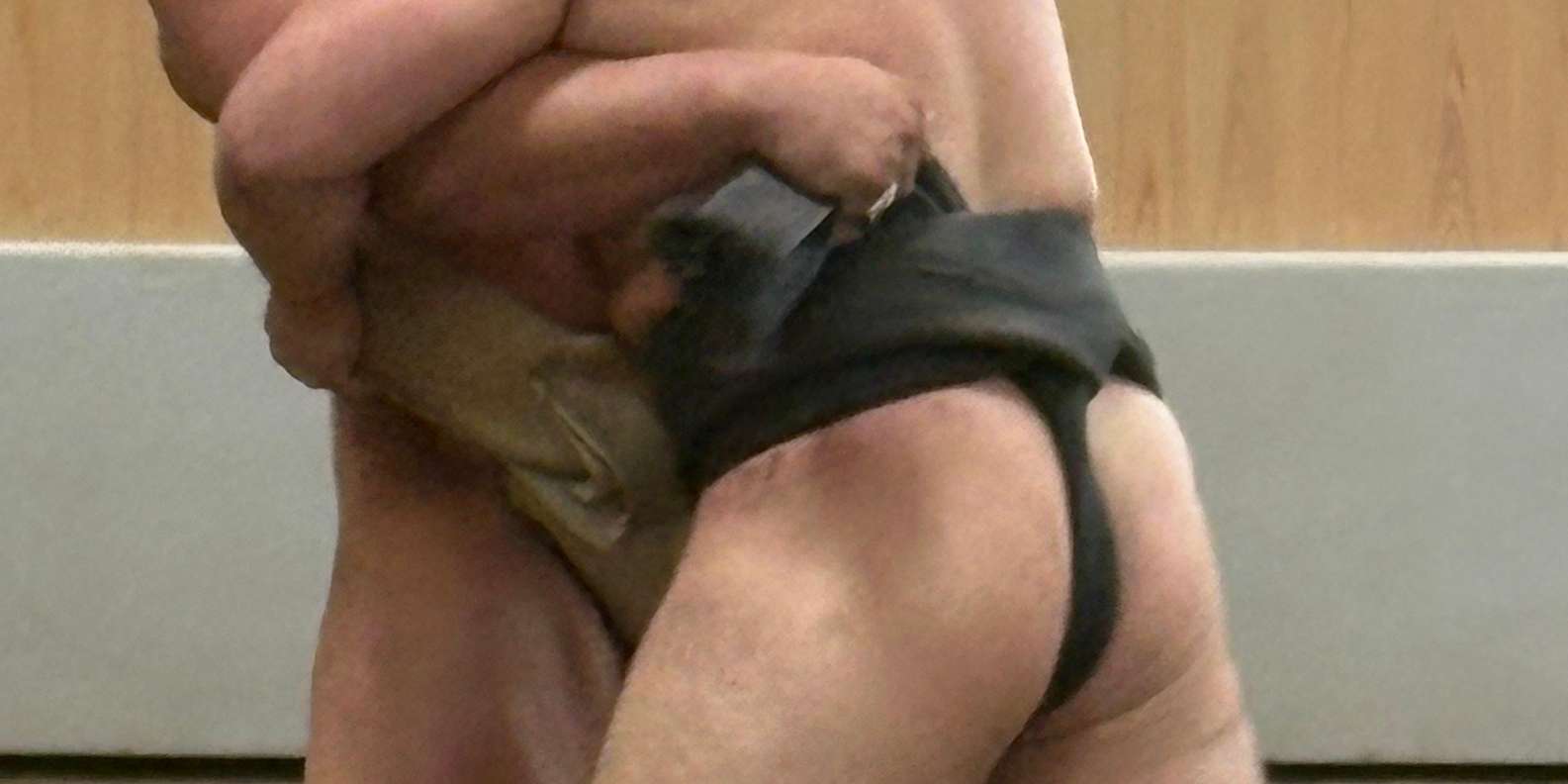
"The sumo wrestlers’ routine show was absolutely fantastic. 👍🏼 They trained and practised with incredible seriousness for 2 hours showing discipline and dedication. I could see that they became exhausted but they pushed through which was truly inspiring. 💪🏼 I felt very lucky to see Asanoyama Hiroki, 🏆 the 2019 top division tournament champion, did his stretches and that alone made the experience unforgettable. 😍 I am glad to have joined this show which gave me much deeper appreciation for sumo as a sport and cultural tradition. Both the tour guide and interpreter were helpful and knowledgeable. 👏🏼"
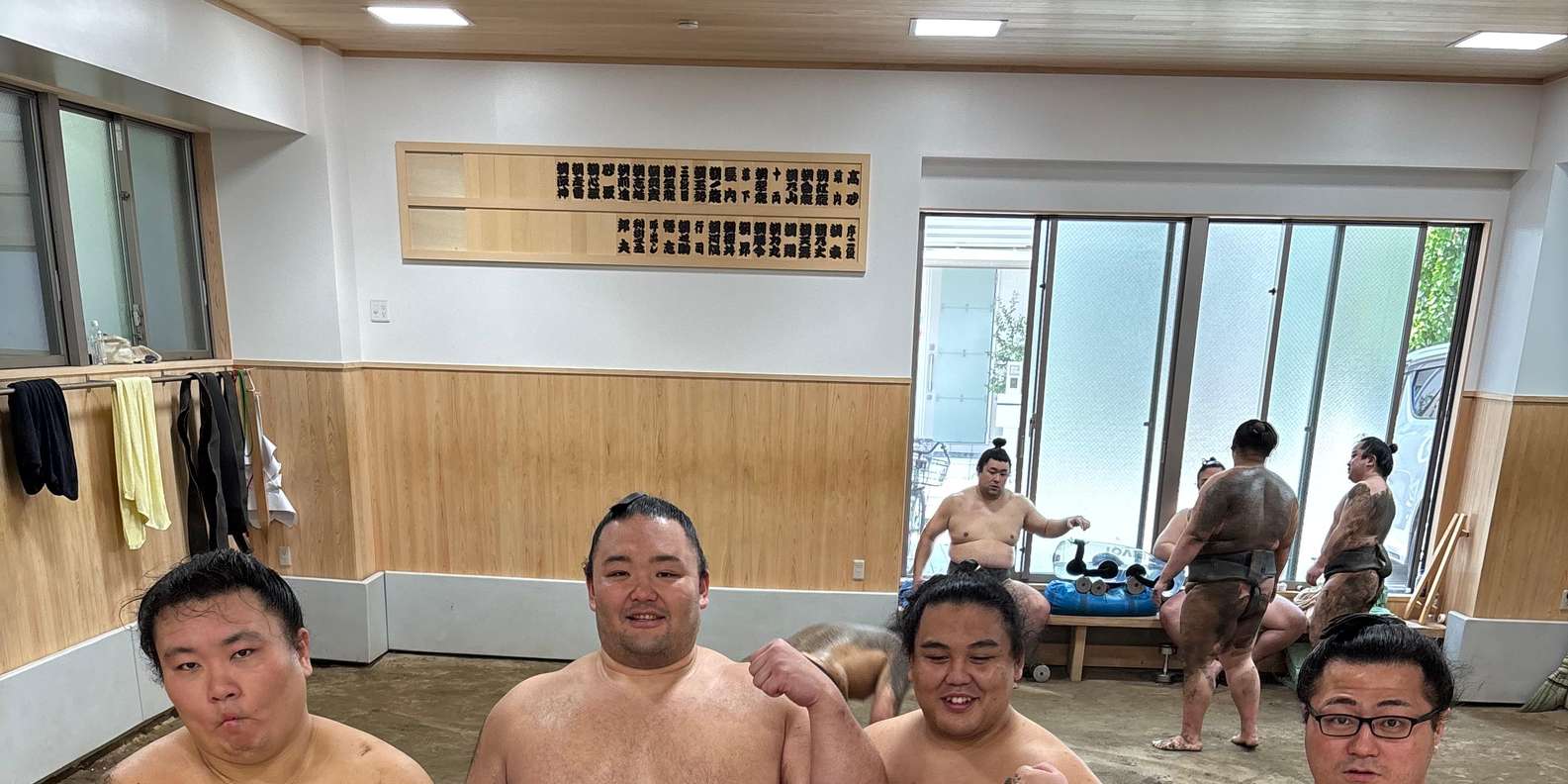
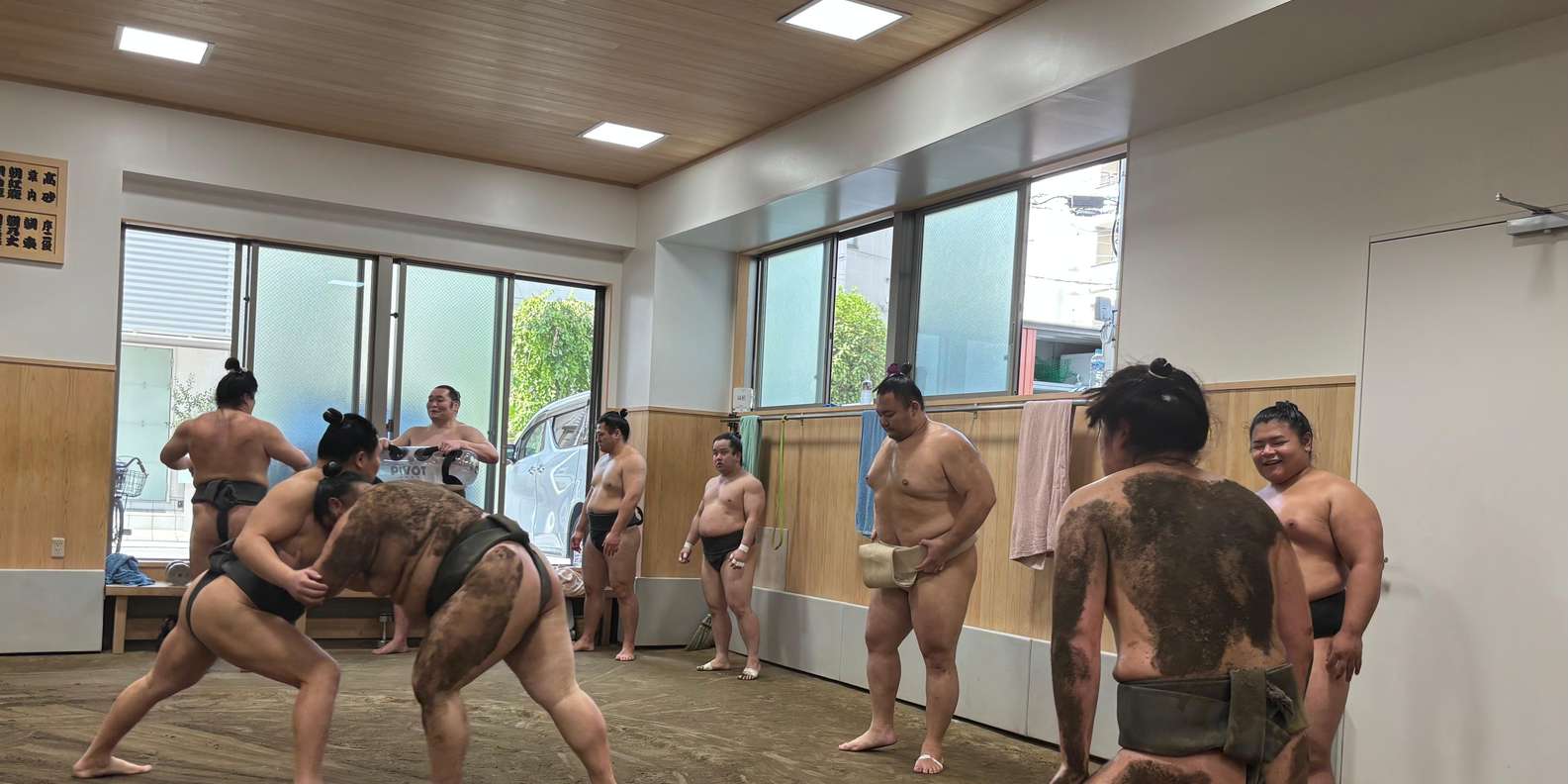
"This was one of the highlights of our trip to Japan. Seeing real sumo wrestlers training up close was an unforgettable experience. This is not a tourist show—it is an opportunity to observe authentic professional sumo practice and learn about the traditions and culture of sumo. Tour guides were very friendly, welcoming, and happy to answer questions. I'm very recommended."
"Great experience, definitely recommended and the price paid was a great value"
Read all 241 verified reviews
See All ReviewsBook the Highest-Rated Morning Practice Visit
The journalist-guided morning practice — Takasago-beya in Ryogoku, a guide who covers sumo for a national newspaper, time for your questions, and commemorative photos. 4.9/5 from 241 verified visitors, from about $93 per person (August 2026). Free cancellation up to 24 hours ahead. Prefer the most-reviewed Takasago-beya visit, a reserved ring-side seat, or a chair instead of the floor in Nagoya? All of them are on this page, and we say what each changes. Starting from $93 per person.
Check Availability & BookCan't Make These Dates?
Browse More Available Options
Find a tour that fits your schedule — all with instant confirmation and free cancellation.
Sumo Stable Tours — FAQ
The questions people actually type in before booking — answered in the first sentence, explained in the ones after.
Yes, but essentially only with a guide who has the stable's permission — a sumo stable is a private home and workplace, and the stables that admit visitors do it through licensed guides they already work with. Morning practice visits run most weekday mornings outside tournament periods, cost from about $90 per person on the booking platform, and are booked date by date because stables set their own schedule and change it at short notice. Independent visits are close to impossible to arrange; the one widely-known exception is a stable whose training room can be watched from the street through a window, which is covered in our guide on visiting without a guide.
Asageiko is the sumo morning practice — the daily training session held in a stable, typically finishing between 09:00 and 10:00, which is what a sumo stable tour takes you to see. It runs in a strict order: junior wrestlers first, then the seniors; shiko leg-stamping, suri-ashi sliding footwork, and butsukari-geiko, the punishing drill where one wrestler is driven back across the ring over and over. Nothing is staged and nobody performs for visitors — you are watching a working training session from the edge of the room, in silence.
From about $90 per person on the booking platform, with most guided morning practice visits falling between roughly $80 and $115; booked direct in Japan, guided visits are generally quoted at ¥5,000–15,000 per person. The price buys access and a guide rather than a seat — the stable's permission, an English-speaking guide who explains the drills and ranks, and in some cases a photograph with the wrestlers afterwards. Cheaper sumo products exist on the same platforms, but they are shows or hands-on sessions, not stable visits. Live prices are in the booking widget.
Not inside a stable in any reliable way — the free option is watching through the street-facing window of the one Tokyo stable that permits it, standing outside on the pavement. Everything else requires an introduction: stables are private, they receive visitors as guests, and the guides who bring them have long-standing relationships with the stable masters. Some stables that once took casual visitors stopped after the etiquette was repeatedly broken. If your budget is the constraint, the honest options are the window, a sumo show, or a tournament ticket during a honbasho — all set out in our guide to visiting without a guide.
Silence throughout, no eating or drinking, phone on silent and no flash photography, hats and sunglasses off, shoes off, sit on the floor without pointing the soles of your feet at the ring or the wrestlers, and stay until the practice ends. There are no chairs in the Tokyo stables, so expect roughly ninety minutes cross-legged on a hard floor. Once you leave you cannot re-enter, and leaving mid-practice is treated as a serious discourtesy. Operators warn plainly that anyone who cannot follow this — including children who become restless — will be asked to leave; several tours set a minimum age, from five to twelve.
Between about one and two hours of viewing, starting very early — meeting times are before 08:00 and practice usually finishes between 09:00 and 10:00. The Takasago-beya visit meets at 07:45 at Ryogoku Station and walks ten minutes to the stable for an 08:00 start; the journalist-guided visit also meets at Ryogoku (Toei Oedo exit A2), five minutes from the stable. Arrive on time: guides cannot bring latecomers in once practice has started, and several operators state that late arrivals are not admitted and not refunded.
No — a stable tour is a silent visit to a real training session, while a sumo show is an evening performance with a meal, usually chanko hot-pot, and often a chance to get in the ring yourself. Shows are cheaper (from around $63 with dinner), run at civilised hours, are family-friendly and are genuinely entertaining; they use retired wrestlers and are staged for the audience. A stable visit is the opposite experience: early, silent, unstaged, and with no guarantee of anything beyond watching. Choose deliberately — many visitors book a show expecting asageiko, and it is the single most common disappointment in this niche.
During and around the six annual grand tournaments (honbasho), when the wrestlers are competing rather than training, plus some weekends and public holidays. In 2026 the tournaments fall in January (Tokyo), March (Osaka), May (Tokyo), 12–26 July (Nagoya), 13–27 September (Tokyo) and November (Fukuoka). Stables also cancel at short notice for their own reasons, so visits are sold date by date and confirmed close to the day. If your trip lands inside a tournament, that is not bad luck — it is the one time you can watch the same wrestlers compete in an arena instead, which is a different and very good day out.
Still have questions? Email us at info@sumostabletour.com